
Field Research Methods in Forest Ecosystems
This program teaches practical techniques for studying mixed forest ecology through direct observation and measurement. You'll learn systematic approaches for data collection in woodland environments, focusing on species identification, population dynamics, and ecosystem interactions. The curriculum covers field protocols used by research teams worldwide, preparing you to contribute to conservation efforts and ecological studies.

What You'll Study
Six core modules covering forest analysis techniques, sustainable agriculture integration, and precision farming applications in woodland management
Tree Species Documentation
Master identification methods for common and rare species in mixed forests. Learn bark pattern analysis, leaf morphology, and seasonal variation tracking. Includes digital photography standards and herbarium preparation.
Canopy Layer Measurement
Techniques for assessing forest structure from ground level. Covers densiometer readings, light penetration studies, and vertical stratification mapping. Smart farming tools adapted for woodland productivity assessment.
Soil Analysis Protocols
Standard procedures for collecting and testing forest soil samples. Learn pH testing, nutrient profiling, and microbial activity indicators. Sustainable agriculture principles applied to woodland soil health monitoring.
Wildlife Population Surveys
Non-invasive methods for tracking animal populations in forest habitats. Camera trap setup, track identification, and feeding sign interpretation. Modern farming equipment adapted for wildlife monitoring in agri-forestry systems.
Digital Mapping Tools
GPS units, GIS software, and mobile apps for creating accurate forest maps. Plot boundary marking, coordinate recording, and spatial data organization. Precision farming technology applied to woodland inventory management.
Water System Analysis
Stream health assessment in forested watersheds. Water quality testing, flow measurement, and riparian zone evaluation. Eco agriculture practices for maintaining clean water sources in mixed forest landscapes.
How the Program Works
The curriculum follows a logical sequence from basic observation skills to advanced ecosystem analysis. Each phase builds on previous knowledge, with increasing complexity in field techniques and data interpretation. Most participants complete all phases within four months at a comfortable pace.
Foundation Skills
Start with essential observation techniques and proper documentation habits. Learn to use basic field equipment including hand lenses, measuring tapes, and notebooks. Practice recording accurate notes and creating reproducible measurements. This phase establishes the systematic approach needed for all later work.
Vegetation Assessment
Focus on plant identification and community composition analysis. Learn sampling methods for different forest layers and practice statistical approaches to vegetation data. Work with herbarium specimens and photographic records. Includes integration of agri technology for plant health monitoring.
Environmental Factors
Study soil chemistry, microclimate measurement, and water quality testing. Learn to operate field testing kits and interpret results in ecological context. Connect abiotic conditions to biological patterns observed earlier. Modern farming techniques inform soil management strategies.
Integrated Analysis
Combine all previous skills into comprehensive ecosystem assessments. Design research questions, collect appropriate data sets, and produce professional reports. Practice presenting findings and defending methodology choices. Apply agtech solutions for long-term monitoring projects.
Your Instructors
Learn from field researchers with decades of combined experience in temperate and boreal forest systems across multiple continents
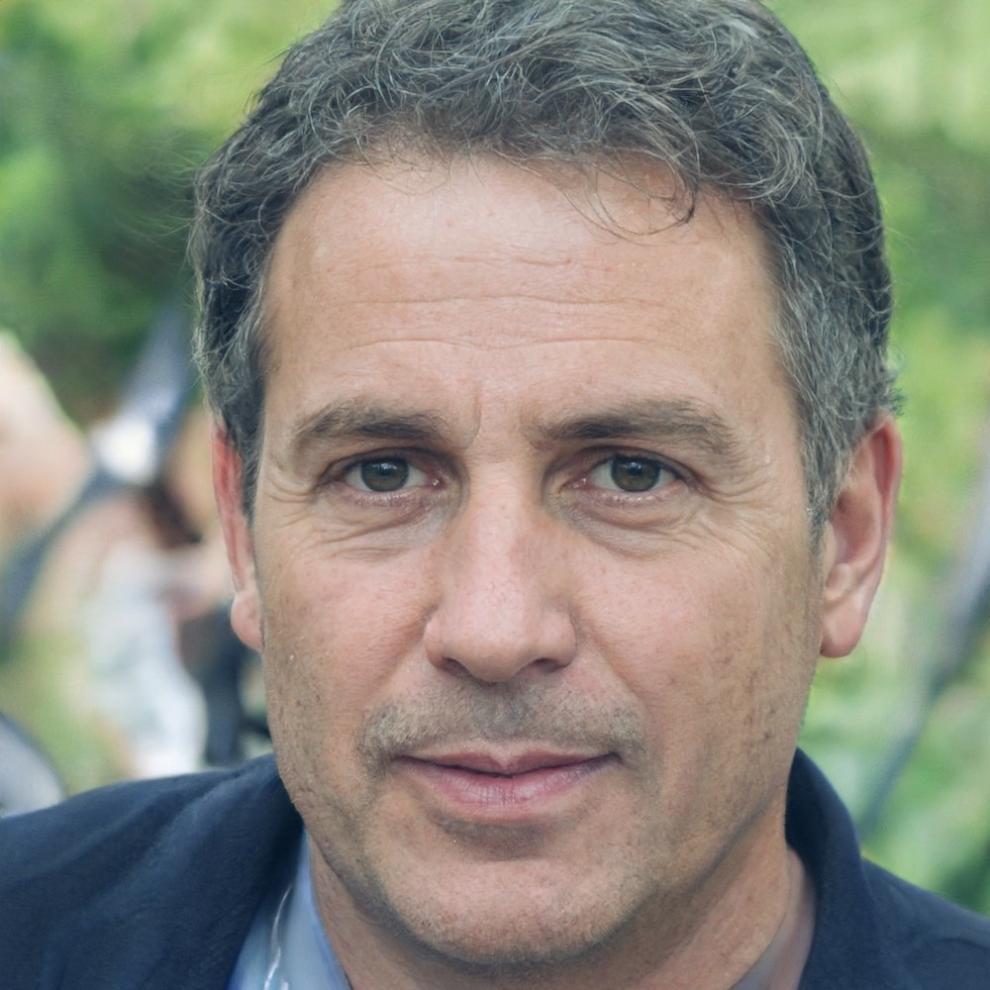
Torben Lundqvist
Forest Ecology Specialist
Torben spent fifteen years conducting vegetation surveys in Scandinavian mixed forests. He developed several standardized protocols now used by monitoring programs across northern Europe. His teaching focuses on reliable field methods that work in challenging weather conditions.

Siobhan McKenzie
Wildlife Ecology Researcher
Siobhan specializes in camera trap studies and indirect wildlife surveying. She coordinated multi-year monitoring projects tracking mammal populations in Atlantic oak forests. Her practical approach helps students gather meaningful data without expensive equipment.
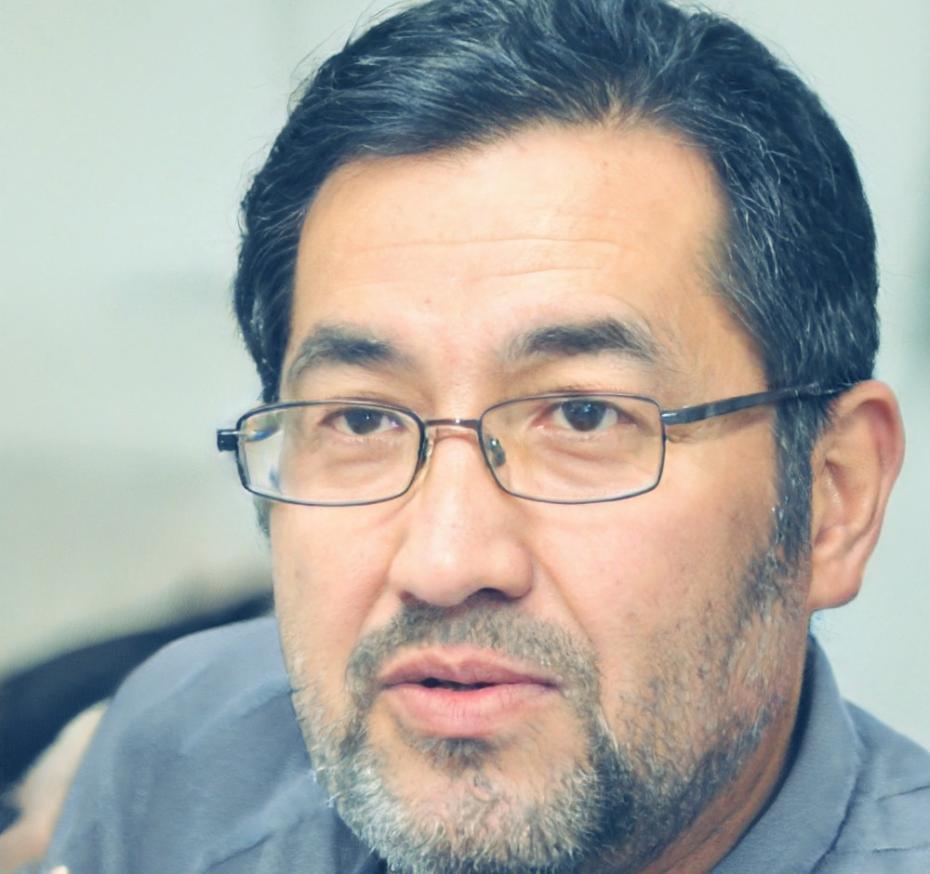
Dragomir Petrov
Soil Ecologist
Dragomir researches nutrient cycling in deciduous and mixed forests. He teaches straightforward soil testing methods suitable for field conditions and explains how to interpret results in terms of forest health and productivity.

Aislinn O'Sullivan
GIS and Mapping Specialist
Aislinn creates digital forest inventories using affordable GPS units and free mapping software. She demonstrates practical approaches to spatial data collection that work with basic equipment. Her tutorials cover everything from taking accurate coordinates to producing publication-quality maps.
Ready to Start Learning?
Access comprehensive video demonstrations, downloadable field guides, and practical assignments that build your research capabilities step by step