
What happens when you actually learn from people working in the field
Most online courses show you theory. We connect you with forest ecologists and precision farming specialists who demonstrate real techniques they use daily. The difference is that you see methods that work in actual mixed forest systems and sustainable agriculture operations.
Started because existing courses weren't teaching what actually matters
In 2018, we noticed something frustrating. Online education in ecology and sustainable agriculture was full of generic content from people who hadn't worked in the field for years. Students were learning outdated techniques that didn't match what modern mixed forest management requires.
So we built something different. Our instructors are working professionals who manage actual forest ecosystems and implement precision farming systems. They teach the specific methods they developed through trial and error. When they explain canopy monitoring protocols or soil health assessment, they're showing you what they did last week on their own land.
This matters because forest ecology isn't about memorizing species lists. It's about understanding how different tree species interact in mixed stands, how to monitor biodiversity indicators, and how to implement sustainable harvesting that maintains ecosystem function. You need instruction from someone who deals with these systems regularly.

Different ways to learn depending on your actual needs
We run three types of programs because people have different goals and time constraints.
Demonstration masterclasses
Watch experts perform specific techniques with detailed explanation. Topics like stratification protocols for native tree seeds, assessment methods for forest floor biodiversity, or precision variable rate fertilizer application in orchards. Usually 90-180 minutes with technique breakdowns.
Structured skill programs
Multi-week programs teaching complete systems. Like implementing agri technology for monitoring forest health parameters, or designing sustainable agriculture operations for mixed woodland management. Includes demonstration sessions, reference materials, and assessment checkpoints.
Practice documentation access
Library of case studies showing how instructors solved specific problems. Detailed write-ups of implementing modern farming methods in different forest types, troubleshooting common issues in eco agriculture systems, or optimizing green farming approaches for varying terrain and soil conditions.

Actual completion data and what students do after
We track program completion rates and follow up with students six months later to see what they implemented. The numbers tell you what's realistic.
For comparison, typical online course completion is around 15%. Higher rate because students pay upfront and content is practical.
Applied learned methods in professional work or personal land management. Verified through follow-up surveys.
Based on net promoter score survey. Main criticism is that some want more local climate-specific examples.
What students say matters most is seeing the actual process. When an instructor demonstrates how they use agtech solutions to monitor nutrient cycling in mixed stands, you see their decision-making. Why they chose specific sensor placement. What data points they ignore versus which ones actually predict problems. That context doesn't exist in textbook instruction.
Why this approach works better for learning actual skills
Often academic focus or former practitioners teaching what they learned years ago. Content can become outdated as methods evolve.
Working professionals managing current projects. They update demonstrations when they discover better methods through their own practice.
Theory-first with examples added later. Designed for systematic knowledge building which can feel disconnected from application.
Demonstration-first showing complete techniques. Theory explained in context of why certain steps matter for the actual outcome.
Exercises are often simplified scenarios. Limited connection to variables you'll encounter in real forest ecosystems or farm operations.
Case studies from actual projects including complications and solutions. You see how techniques adapt to different conditions and constraints.
May cover digital farming or farm innovation as separate topics. Tools presented as additions rather than integrated methods.
Shows how instructors integrate smart farming and precision farming tools into daily workflows. Practical setup and troubleshooting included.
Who teaches these programs
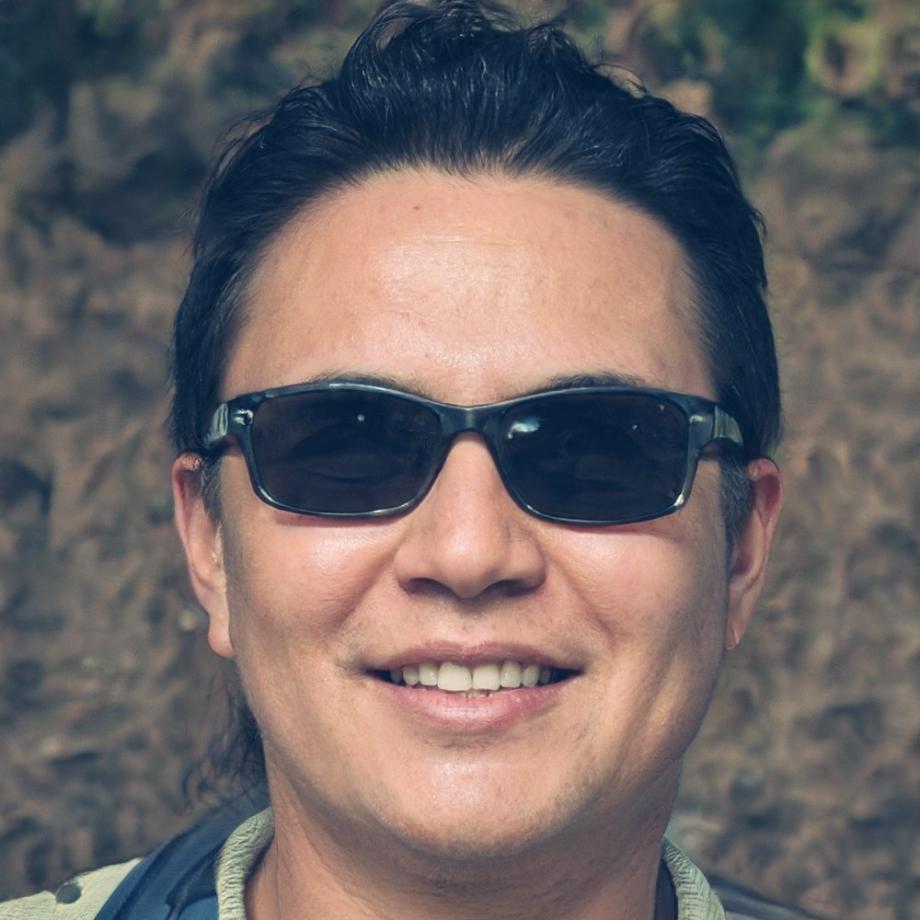
Henrik Nordstrom
Mixed forest management specialist
Manages 340 hectares of mixed temperate forest in Scandinavia. Developed monitoring protocols for biodiversity indicators in production forests that are now used by three regional land management agencies. Teaches canopy structure analysis and sustainable harvesting design.
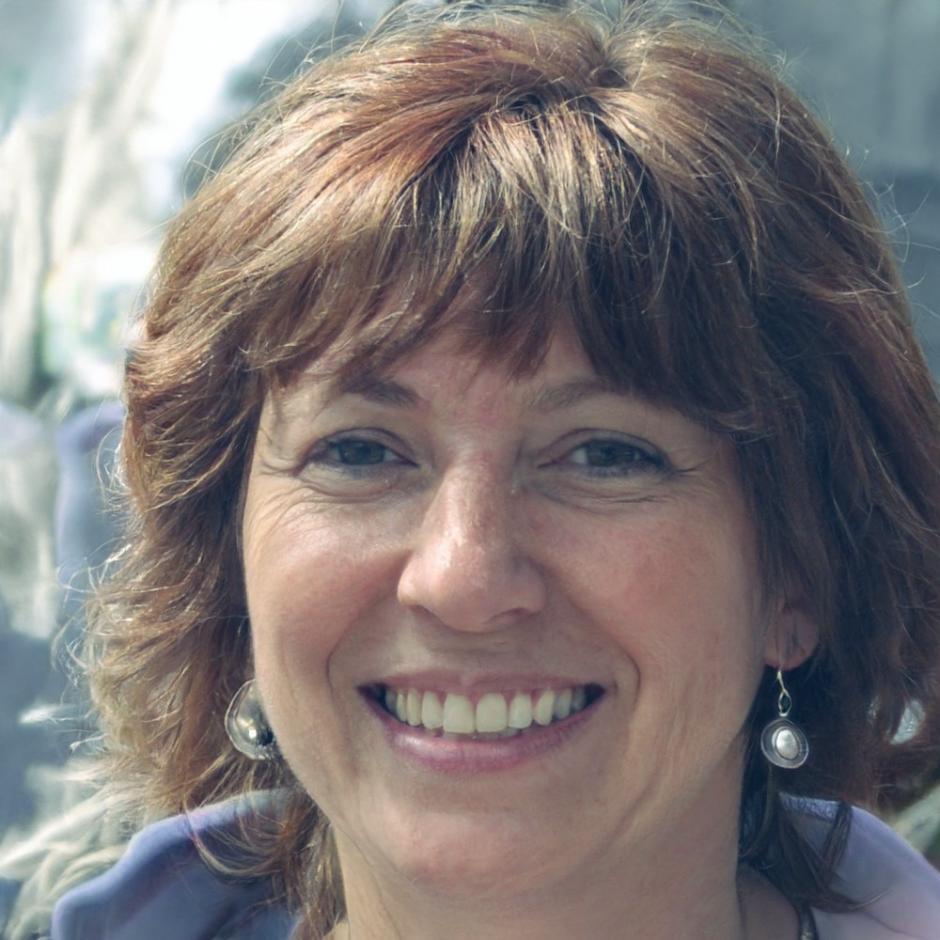
Dr. Elena Petrakis
Precision agriculture researcher
Runs experimental plots testing agtech solutions for mixed agroforestry systems. Published 23 papers on sensor integration for forest-farm interfaces. Specializes in teaching practical implementation of digital farming methods without requiring excessive equipment investment.
All instructors maintain active projects in their fields. They update course content based on what they learn through ongoing work, not from reviewing academic literature. This means demonstrations reflect current best practices rather than established textbook methods.
See what programs are currently available
We run cohorts throughout the year. Check current offerings to see if there's something that matches what you need to learn. Course catalog shows prerequisites, time commitment, and what you'll be able to do after completion.
Browse learning programs
Location
16A, Second floor, Laluan Gunung Rapat 3
Taman Cemerlang Rapat
31350 Ipoh, Perak, Malaysia
Questions about programs
If you're not sure which program fits your needs or have questions about prerequisites, reach out. We can explain what each course covers and help you figure out the right starting point.
Contact form